
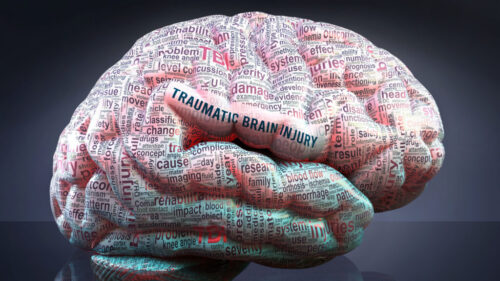
You likely hit your head upon the impact of a car collision, a slip and fall, or another personal injury accident you were directly involved in. You may have never lost consciousness and felt fine in the moments afterwards. But any blow or jolt to the head must be taken seriously, as you do not want even a mild brain injury to go undiagnosed. This is not only for the sake of your personal health, but your subsequent legal claim. With that being said, please continue reading to learn the medical evidence you need to prove your mild head injury and how an experienced New York City traumatic brain injury attorney at Mark L. Bodner, P.C., can help you use it to your advantage.
How does a doctor diagnose a mild brain injury if imaging is normal?
First of all, in the immediate moments following your personal injury accident, you should go to the emergency room and seek medical attention. You should share with the emergency room doctor even the smallest of symptoms you might have, including a headache, dizziness, nausea, brain fog, feeling unusually emotional, etc. From here, they may order a CT or MRI scan for you.
Well, if you have a mild brain injury, the imaging results may appear normal. This is because you may not have incurred visible structural damage like bleeding, swelling, or bruising. But even still, you may incur functional disruptions, like the symptoms mentioned above, which may manifest into long-term impairments.
So, it is important that you advocate for yourself at this time and ask that a doctor run additional tests. Namely, they may conduct a neurological examination that checks your mental status, balance, coordination, vision, reflexes, and cranial nerves. Or, a computer-based cognitive screening test that measures things like your short-term memory and processing speed.
They may even keep you overnight at the hospital and keep you under close observation to spot if symptoms become noticeable eventually. If you still seem to be in the clear, they may refer you to a specialist for more detailed testing, such as a neurologist, sports medicine physician, ENT specialist, vestibular therapist, or neuropsychologist.
What medical evidence strengthens my mild brain injury claim?
Even if your imaging results come back normal, there is other medical evidence you can submit to your insurance or the New York State civil court to support your mild brain injury claim. To reiterate, by attending specialist appointments, you show that your symptoms were serious enough that you continued to seek treatment and that they did not resolve themselves quickly.
Doctor’s notes that detail the complaints of your symptoms may be critical evidence, as well. These notes may be dated immediately after your personal injury accident event, which establishes the direct correlation between the two. This can be supplemented with records of your follow-up treatments, like orders for cognitive rest, reduced screen time, therapy, medication, etc.
If you are ready to step foot into this legal path, do not do so until you have retained a skilled New York City personal injury attorney from Mark L. Bodner, P.C. We look forward to your phone call and to taking on your case.